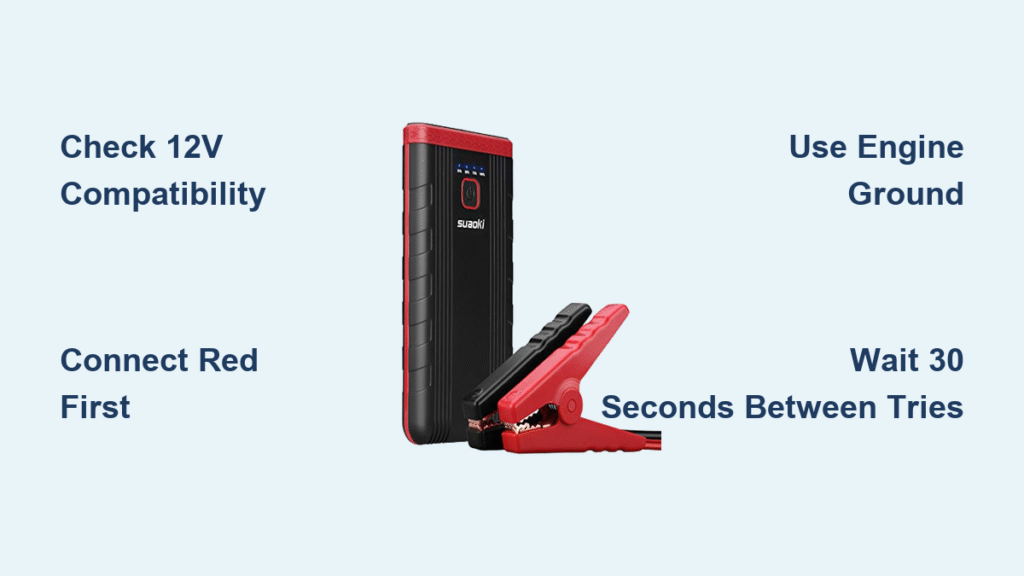
Your car won’t start, the parking lot is empty, and roadside assistance is 45 minutes away. Before panic sets in, remember that your Suaoki jump starter can get you back on the road in under 10 minutes—if you know the exact steps to follow. These compact power banks have replaced traditional jumper cables for good reason: they work solo, fit in your glove compartment, and deliver enough power to jump-start most vehicles. Whether you just bought your first Suaoki unit or have one gathering dust in your trunk, mastering these procedures transforms you from stranded motorist to self-reliant driver.
This guide cuts through confusing manuals to give you the precise sequence for safe, successful jumps every time. You’ll learn the critical connection order that prevents dangerous sparks, how to interpret those blinking lights correctly, and why connecting to the engine block—not the battery—is non-negotiable. Most importantly, you’ll discover the common mistakes that leave 70% of first-time users frustrated when their jump attempt fails.
Confirm Your Vehicle Compatibility Before Connecting
Don’t assume your Suaoki works with every vehicle—matching specs prevents wasted effort during emergencies. Check your specific Suaoki model’s capacity against your engine size before storing it in your vehicle.
Verify 12V Battery System Requirements
Your Suaoki jump starter operates exclusively with 12-volt lead-acid batteries. Locate your car battery and check for the voltage marking—most modern vehicles use 12V systems, but older classics and commercial trucks often use 6V or 24V configurations. Attempting to jump a non-12V battery will damage both your Suaoki unit and vehicle electrical system. When in doubt, consult your vehicle owner’s manual before attempting any jump-start.
Match Engine Size to Suaoki Capacity
Each Suaoki model has strict engine size limits printed on the device label. For example, the popular G7 model supports gasoline engines up to 7.0 liters and diesel engines up to 5.5 liters. Exceeding these limits won’t necessarily harm your Suaoki, but it likely won’t start your vehicle and will drain the power bank completely. If you drive a heavy-duty truck or performance vehicle with an oversized engine, confirm your Suaoki’s specifications match before relying on it during an emergency.
Perform Critical Safety Checks Before Powering On
Skipping these visual inspections risks fire, explosion, or permanent vehicle damage. Never connect your Suaoki without completing these checks—your safety depends on it.
Inspect Battery Condition for Damage
Examine your car battery for warning signs before attaching any cables:
– Cracks or bulging in the plastic casing
– Heavy white or blue corrosion on terminals
– Leaking fluid or strong rotten egg smell
– Swollen sides indicating internal failure
If you notice any damage, do not attempt a jump-start. A compromised battery can explode when charged. Replace the battery immediately—no jump starter can safely revive a physically damaged unit.
Check Suaoki Cable Integrity
Your Suaoki’s cables must be in perfect condition to prevent electrical hazards. Before each use, verify:
– No exposed wires or frayed insulation
– Clamp teeth fully engage (no bending or breakage)
– Secure connection between cable and clamp
– No cracks near connection points
Damaged cables create dangerous short circuits. Replace faulty components immediately using manufacturer-approved parts.
Position Your Vehicle for Safe Jump-Starting
Where and how you position your vehicle determines whether you resolve the problem or create new dangers. Follow these positioning rules every time.
Create a Stable Jump Environment
Move your vehicle to level ground away from traffic if possible. Engage the parking brake firmly and shift into park (automatic) or first gear (manual). If on a slight incline, turn your front wheels toward the curb. Keep the Suaoki unit positioned away from moving engine components like belts and fans—place it on the fender or hood for stability during connection.
Ensure Proper Ventilation
Batteries emit explosive hydrogen gas during charging. Never jump-start in enclosed spaces like garages without maximum ventilation. If you must work indoors, open all doors and windows completely and position the vehicle near the largest opening. Outdoors is always preferable—wind naturally disperses dangerous gases.
Connect Your Suaoki Using Correct Terminal Sequence
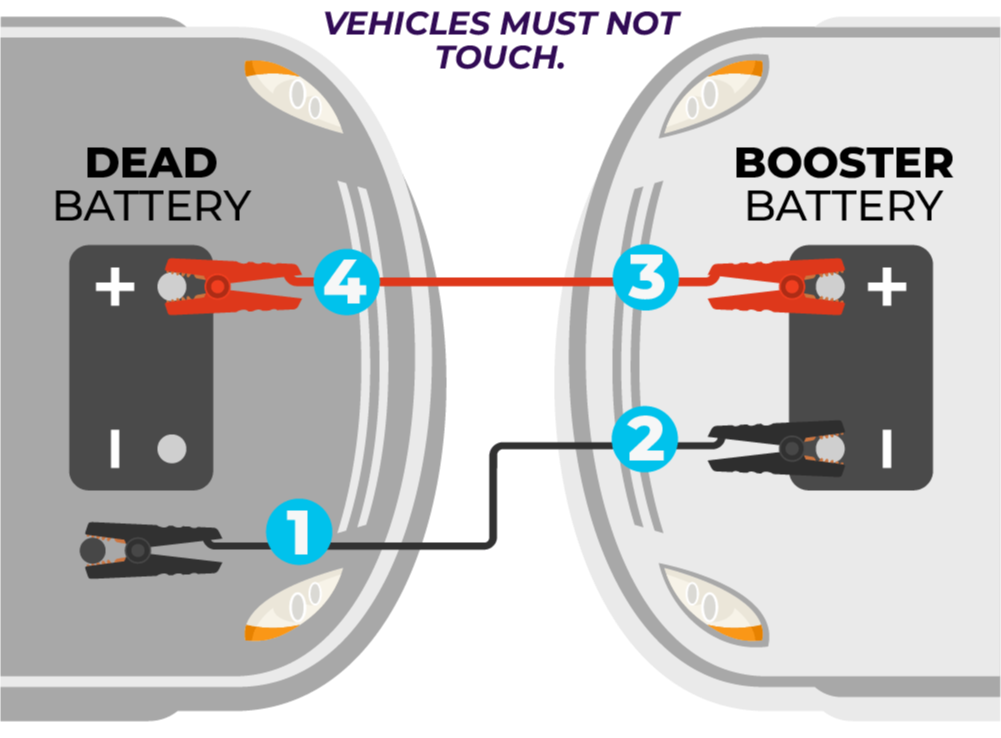
The exact order of connections prevents catastrophic sparks near battery gases. Follow this sequence precisely—deviating by even one step creates serious risks.
Attach Positive Clamp to Battery Terminal First
Connect the red clamp to your dead battery’s positive (+) terminal before anything else. The positive terminal typically has a red plastic cover or “+” symbol. Scrape away minor corrosion with the clamp teeth to ensure metal-to-metal contact—wiggle the clamp gently to bite through buildup. A solid connection shows no movement when you tug the cable.
Secure Negative Clamp to Engine Ground Point
Never connect the black clamp directly to the negative battery terminal. Instead, attach it to an unpainted metal surface on your engine block or chassis at least 12 inches from the battery. Ideal spots include:
– Engine mount bolts
– Intake manifold brackets
– Suspension components
– Transmission housing
This creates a safe ground path away from explosive battery gases. You’ll hear a small click when the clamp engages properly with clean metal.
Activate Your Suaoki Unit with Correct Button Sequence
Modern Suaoki models require deliberate activation to prevent accidental discharge. Understanding the indicator lights saves critical time during emergencies.
Initiate Jump Mode Properly
Press and hold your Suaoki’s power button for 3-5 seconds until the jump-start indicator illuminates. Many users mistakenly tap the button once—this only checks charge level, not activates jump mode. The unit should display a solid green or blue light when ready. If you see flashing red, disconnect immediately and check for reverse polarity.
Decode Indicator Light Signals
Your Suaoki communicates status through simple LED patterns:
– Solid green/blue: Ready for jump-start
– Flashing red: Reverse polarity detected
– Solid red: Unit requires immediate charging
– No lights: Completely depleted power bank
If lights flash abnormally, disconnect cables and restart the process—never force a jump with warning indicators active.
Start Your Engine Using Proper Cranking Technique
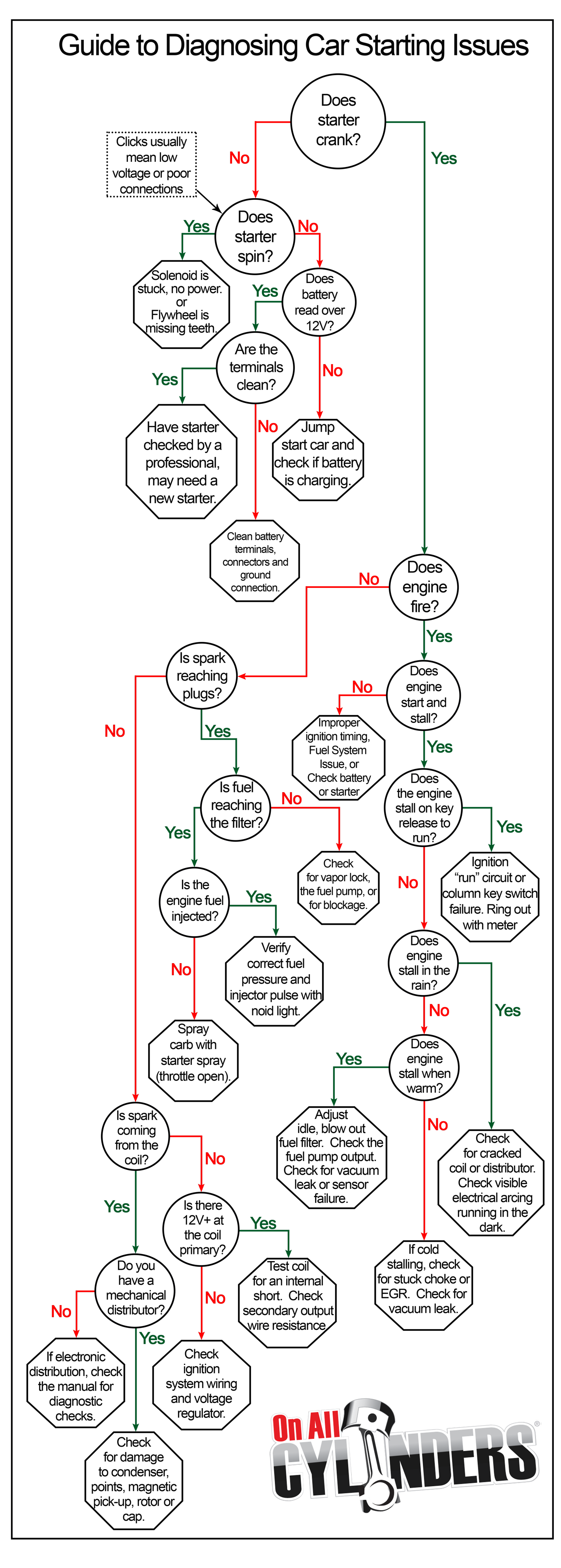
How you engage the starter motor determines whether your jump succeeds or drains the Suaoki completely. Follow these engine-starting protocols.
Execute Controlled Cranking Intervals
Turn the ignition key or press the start button for maximum 3-4 seconds. Most Suaoki units deliver 1000-2000 peak amps—more than enough for standard vehicles. If the engine doesn’t catch immediately, wait 30 seconds before retrying to prevent Suaoki overheating. Never crank continuously for more than 5 seconds—this drains the power bank and risks starter motor damage.
Recognize Successful Jump Indicators
You’ve succeeded when you observe:
– Normal engine cranking speed (not sluggish)
– Dashboard lights reaching full brightness
– Radio and accessories powering on
– Engine continuing to run after cable removal
If the engine starts but immediately stalls, your battery may be too depleted to hold charge—drive continuously for 20+ minutes to recharge or consider battery replacement.
Disconnect Cables Using Safe Reverse Sequence
Removing connections in the wrong order creates dangerous sparks near the battery. Follow this precise removal procedure every time.
Remove Clamps in Exact Reverse Order
Disconnect in this critical sequence:
1. Black clamp from engine ground point
2. Red clamp from positive battery terminal
3. Return clamps to storage positions
Removing the negative clamp first prevents accidental short circuits if the positive clamp contacts metal during removal. Always handle clamps by their insulated handles.
Allow Suaoki Cooling Period
Let your jump starter rest for 2-3 minutes before storing. The unit generates heat during high-current discharge. Coil cables loosely in the provided storage channel—tight wrapping stresses internal wires over time and creates failure points.
Recharge Your Suaoki Immediately After Use
A depleted Suaoki won’t help during your next emergency. Proper recharging preserves battery lifespan and ensures readiness.
Select Optimal Charging Method
Most Suaoki models offer three charging options with different timeframes:
– Wall adapter: Fully charges in 4-5 hours (most efficient)
– Car charger: Takes 6-8 hours while driving
– USB-C: Requires 8-10 hours (least efficient)
Use the wall adapter after each jump for fastest recovery. The LED indicator turns solid green when charging completes.
Maintain Storage Charge Levels
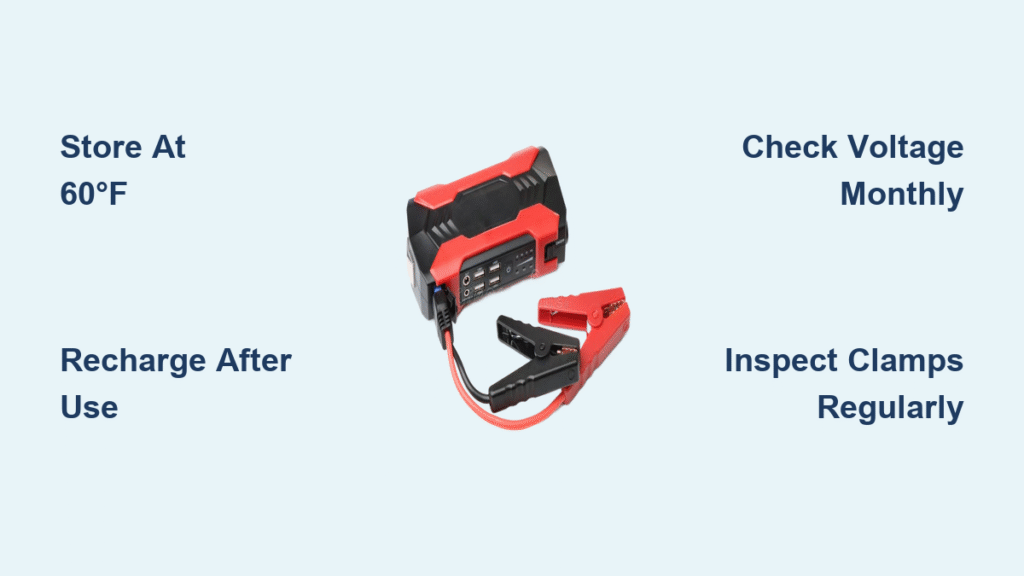
Store your Suaoki at 60-80% charge for maximum battery longevity. Full discharge or permanent 100% storage degrades lithium cells. Check charge monthly—unused units lose 2-3% charge through self-discharge even in storage.
Troubleshoot Common Jump Failure Scenarios
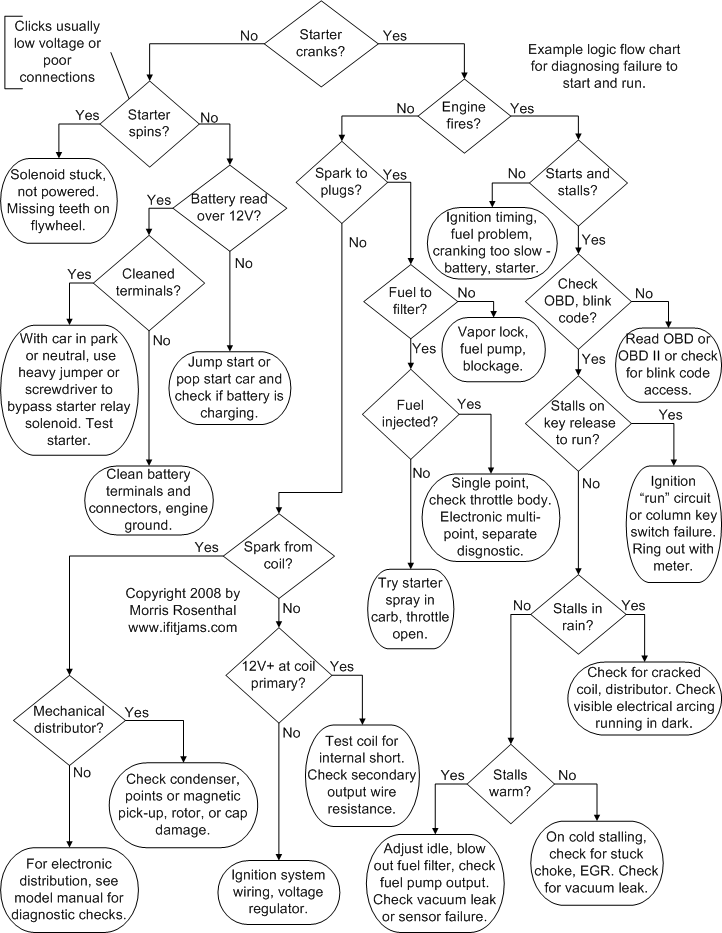
When your Suaoki doesn’t deliver expected results, these targeted fixes often resolve the problem within minutes.
Fix No-Power Situations Quickly
If your Suaoki shows no signs of life:
– Press and hold power button for 10 seconds to reset
– Try different charging cable and wall adapter
– Examine LED indicators in a dark room (some glow faintly)
– Verify power outlet functionality with another device
If still unresponsive after these steps, contact Suaoki warranty support—internal battery failure requires professional service.
Resolve Engine Clicking Without Cranking
Rapid clicking indicates insufficient power delivery. This occurs when:
– Suaoki charge below 50% threshold
– Battery terminals heavily corroded
– Engine exceeds unit capacity
– Extreme cold reduces efficiency
Fully recharge your Suaoki and warm it indoors for 10 minutes before retrying—cold temperatures reduce power output by 30-50%.
Implement Monthly Maintenance Routine
Regular care prevents 90% of Suaoki failures when you need it most. Dedicate 2 minutes monthly to these critical checks.
Conduct Essential Performance Checks
During monthly inspections, verify:
– Charge level remains above 60%
– Cables show no wear or damage
– All LED indicators function properly
– Case integrity (no cracks or dents)
Store your unit in the vehicle’s cabin rather than trunk during extreme temperatures—lithium batteries operate best between 32-80°F.
Protect Against Temperature Extremes
Lithium batteries suffer permanent damage above 120°F or below -4°F. In summer, avoid dashboard storage where temperatures exceed 140°F. During winter, bring your Suaoki indoors overnight before long trips to maintain optimal performance.
Your Suaoki jump starter transforms dead battery emergencies from crisis situations to minor inconveniences when used correctly. By mastering these precise procedures—especially the critical connection sequence and safety checks—you’ll confidently restart your vehicle solo within minutes. Remember to check your unit’s charge level monthly and store it properly to ensure readiness. The next time your engine won’t turn over, you’ll know exactly how to use your Suaoki jump starter to get moving again without waiting for help. Keep this guide with your jump starter and review it quarterly—you’ll be prepared when that inevitable dead battery strikes.