That relentless beeping from your Foxpeed jump starter isn’t just irritating—it’s preventing you from getting back on the road. When your vehicle battery dies and your jump starter starts chirping uncontrollably, every second counts. Understanding what those specific beep patterns mean transforms panic into action. This guide delivers precise solutions for every Foxpeed jump starter beeping issue, so you can silence the noise and successfully jump your vehicle within minutes.
Foxpeed jump starters use distinct beep codes as their primary communication method since they lack detailed display screens. Recognizing these patterns prevents costly mistakes and potential damage to your vehicle’s electrical system. Whether you’re dealing with continuous rapid beeping or intermittent warning tones, this guide covers exactly what each sound means and the exact steps to resolve it—no guesswork required.
Decode Your Foxpeed’s Beep Patterns Immediately

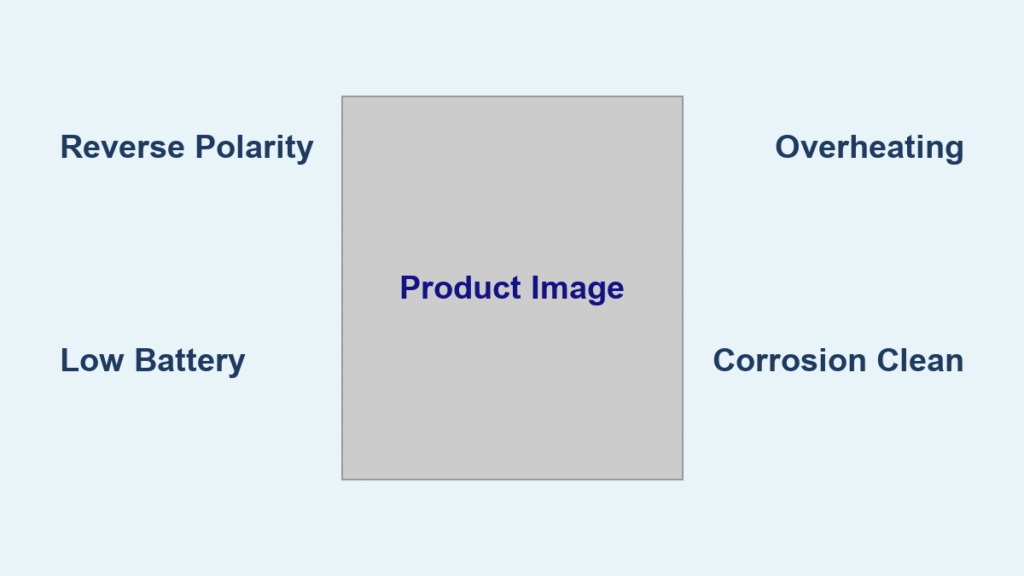
Your Foxpeed jump starter’s beeping isn’t random; it’s communicating specific problems through coded sounds. Identifying the exact pattern before taking action prevents wasted time and potential damage to your vehicle’s electrical system.
Continuous Rapid Beeping: Reverse Polarity Emergency
That frantic, non-stop beeping means you’ve connected the clamps backward—a serious issue that could fry your vehicle’s electronics. The positive (red) clamp is mistakenly attached to the negative battery terminal, or vice versa. This is the most urgent warning your Foxpeed can give. Immediately disconnect both clamps in the correct order: remove the black clamp first, then the red clamp. Never ignore this warning—continuing could destroy your jump starter’s internal circuitry and cause permanent damage to your vehicle’s sensitive computer systems.
Two Short Beeps Every 30 Seconds: Critical Low Battery
This rhythmic double-beep pattern indicates your Foxpeed unit itself is running dangerously low on power—typically below 20% capacity. The device has just enough energy to detect the connection but insufficient power to deliver a proper jump. Many users mistakenly think their car battery is the problem when actually their jump starter needs charging. Check the LED power indicators; if only one or two lights are illuminated, your Foxpeed needs immediate recharging before it can help your vehicle.
Single Long Beep Every Minute: Overheating Protection
When you hear a sustained, prolonged beep repeating every 60 seconds, your Foxpeed has triggered thermal protection. This usually happens after three or more consecutive jump attempts or during extreme heat conditions. The internal temperature has exceeded safe operating limits, forcing the unit to shut down critical functions. Continuing to attempt jumps could permanently damage the lithium-ion battery pack. Allow at least 15 minutes for cooling before trying again, and never leave the unit in direct sunlight during operation.
Three Short Beeps Repeatedly: Poor Electrical Connection
This distinctive triple-beep warning means your clamps aren’t making proper contact with the battery terminals. Either corrosion is blocking the connection, the clamps are loose, or you’re dealing with an unusual terminal configuration. Unlike reverse polarity, this isn’t an immediate danger but will prevent successful jumping. Before proceeding, visually inspect both battery terminals for white or green corrosion buildup and ensure each clamp clicks securely into place with metal-to-metal contact.
Execute These Visual Checks Before Troubleshooting
Perform these three critical inspections within 60 seconds to solve most beeping issues without further diagnosis.
Verify Proper Clamp Attachment Technique
Pull each clamp off and reconnect with deliberate force. Listen for the distinct metallic “click” indicating solid contact. Look directly at both terminals to confirm:
– No paint or coating is blocking the metal surface
– Terminals are clean and corrosion-free
– Clamps sit flush against the battery posts
– No wobbling when gently tugged
If your vehicle has side-post terminals (common on some European imports), standard top-post clamps won’t make adequate contact. In this case, you’ll need special side-post adapters or jumper cables designed for this terminal style.
Inspect Cable Integrity for Hidden Damage
Trace both cables from the clamps to the Foxpeed unit, checking for:
– Visible cuts or exposed copper wires (immediate replacement needed)
– Hardened or cracked insulation (especially near connection points)
– Melted sections indicating previous overheating
– Severe kinks that compromise internal conductors
Damaged cables create resistance that triggers false beeping warnings. If you find any compromised sections, stop using the unit immediately—attempting a jump with damaged cables risks fire or electrical shock.
Correct Reverse Polarity Connections Safely
When your Foxpeed emits continuous rapid beeping, reverse polarity is almost certainly the culprit—especially in low-light conditions when terminal markings are hard to see.
Follow This Safe Reconnection Sequence
- Press the power button to turn off your Foxpeed completely
- Remove the black clamp from the negative terminal first
- Remove the red clamp from the positive terminal second
- Wipe both terminals with a clean cloth to improve visibility
- Reconnect red to positive (+) terminal first with firm pressure
- Connect black to negative (-) terminal second
- Wait 5 full seconds before powering on the unit
Positive terminals typically feature red plastic covers, “+” markings, and slightly larger diameter posts. Negative terminals often connect directly to the vehicle chassis and may have smaller diameter posts with “-” markings. When in doubt, consult your vehicle’s owner manual for terminal identification.
Restore Power to Low Battery Jump Starters
Two short beeps every 30 seconds means your Foxpeed needs charging, not that your car battery is beyond help.
Emergency Power Recovery Procedure
If stranded without access to a charger, try this sequence:
1. Disable all auxiliary features (turn off flashlight and USB ports)
2. Disconnect and wait 3 minutes to allow internal voltage recovery
3. Reconnect clamps to a fully charged vehicle battery if available
4. Press the jump button within 10 seconds of connection
5. Keep the engine running for at least 20 minutes after successful start
This technique sometimes provides enough temporary power for one final jump attempt. For proper resolution, however, connect your Foxpeed to its wall charger for 4-5 hours. Avoid relying on USB charging for critical recovery—it takes 8-10 hours and may not deliver full capacity.
Eliminate Corrosion-Induced Beeping Warnings

Corrosion acts as an insulator between clamps and terminals, triggering the three-beep warning pattern even when connections appear secure.
Professional-Grade Terminal Cleaning Method
- Prepare a corrosion solution (1 tablespoon baking soda per cup of water)
- Disconnect vehicle battery starting with the negative terminal
- Scrub terminals vigorously with a wire brush dipped in solution
- Rinse thoroughly with clean water to remove all residue
- Dry completely with a clean microfiber cloth
- Apply terminal protector spray before reconnection
For immediate roadside fixes, use your pocket knife to scrape terminal surfaces clean or pour a small amount of Coca-Cola on the terminals—the phosphoric acid dissolves corrosion quickly. Always wipe dry before attempting another jump.
Cool Down Overheated Jump Starters Properly

Single long beeps indicate thermal protection has activated, requiring specific cooling procedures before safe operation can resume.
Effective Cooling Protocol
- Turn off and disconnect immediately
- Move to cool, shaded area away from engine heat
- Remove protective case to accelerate cooling
- Gently wipe vents with dry cloth to remove dust blockages
- Wait minimum 15 minutes before attempting restart
- Check temperature by touch—unit should feel cool to the touch
During hot weather, limit jump attempts to two within a 10-minute window with 5-minute cooling periods between attempts. Never operate your Foxpeed in temperatures exceeding 120°F (49°C) as this dramatically increases overheating risks.
Reset Your Foxpeed After False Alarms
Sometimes the internal circuitry triggers false beeping warnings that require a system reset to clear.
Complete Reset Procedure
- Power down the unit completely
- Disconnect all accessories
- Hold power button for 30 full seconds
- Wait 2 minutes for capacitor discharge
- Press reset button (use paperclip in small hole near ports)
- Hold for 10 seconds until all LEDs flash
- Recharge fully before next use
This process clears temporary software glitches that cause persistent beeping without an apparent cause. If beeping continues after a complete reset cycle, your unit likely has hardware damage requiring professional repair.
Prevent Future Beeping Through Proactive Maintenance
Implement these three critical habits to avoid 90% of beeping issues before they strand you.
Monthly Essential Maintenance
- Charge to 100% even if unused for months
- Clean clamp teeth with wire brush to remove oxidation
- Test on known-good battery monthly to verify operation
- Inspect cables for cracks or damage near connection points
Store your Foxpeed at 80% charge in a climate-controlled environment—never leave it in your vehicle during extreme temperatures. After each use, clean the clamps and store them properly coiled without kinks. Every six months, perform a full discharge/recharge cycle to maintain battery health and prevent false low-power warnings.
Your Foxpeed jump starter’s beeping is valuable diagnostic information, not just annoying noise. By understanding these specific warning patterns and implementing the precise solutions outlined here, you’ll transform from frustrated user to confident troubleshooter. Keep this guide accessible on your phone or in your glove compartment—when that beeping starts, you’ll know exactly which solution to apply and get back on the road faster. Remember, with jump starters, prevention through regular maintenance beats emergency roadside fixes every time.