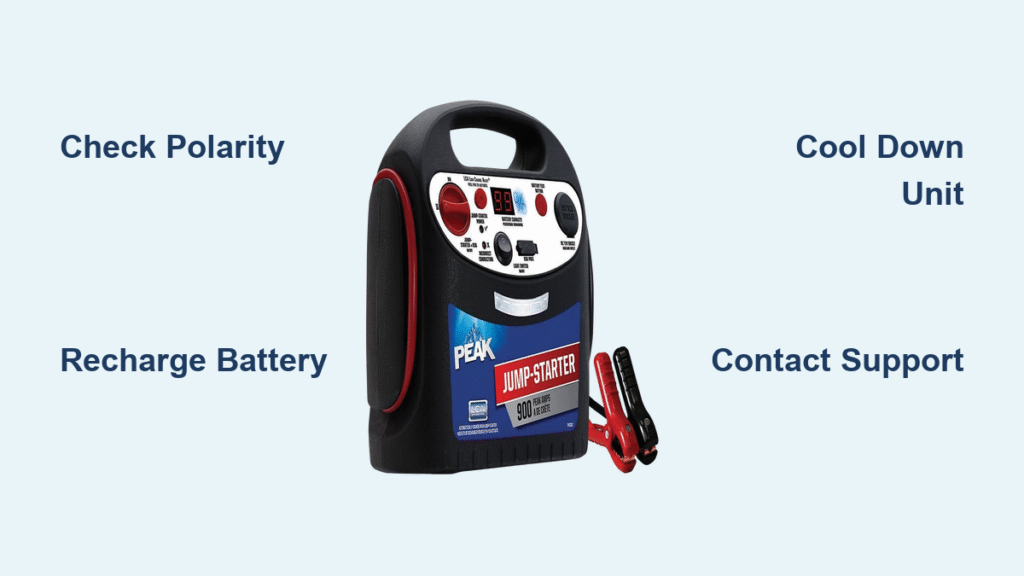
Your car won’t start. You grab your Peak jump starter, pop the hood, and press the power button—only to hear frantic beeping instead of the engine roaring to life. That piercing sound isn’t random noise; it’s your jump starter screaming for help in a language you can understand. Ignoring those beeps risks sparks, damaged electronics, or worse—leaving you stranded. This guide cuts through the confusion with exact fixes for every Peak jump starter beeping pattern, verified against Peak’s official diagnostic protocols. Within 60 seconds, you’ll know whether it’s a simple polarity fix or a critical hardware failure—so you can get back on the road safely.
Why Your Peak Jump Starter Beeps (And When to Panic)
Peak’s beeping system isn’t a design flaw—it’s your lifeline. That 75–85 dB buzzer activates when voltage, current, or temperature breaches safety limits, preventing catastrophic damage to your vehicle’s computer or jump starter. Most roadside breakdowns happen because users ignore or misinterpret these alerts. For example, continuous rapid beeping always means reverse polarity—a mistake that can fry your car’s $800 engine control module in seconds. But here’s the good news: every beep pattern maps to a specific solution. Skip the guesswork; match your symptoms to these fixes.
Fix Reverse Polarity Beeping in 10 Seconds
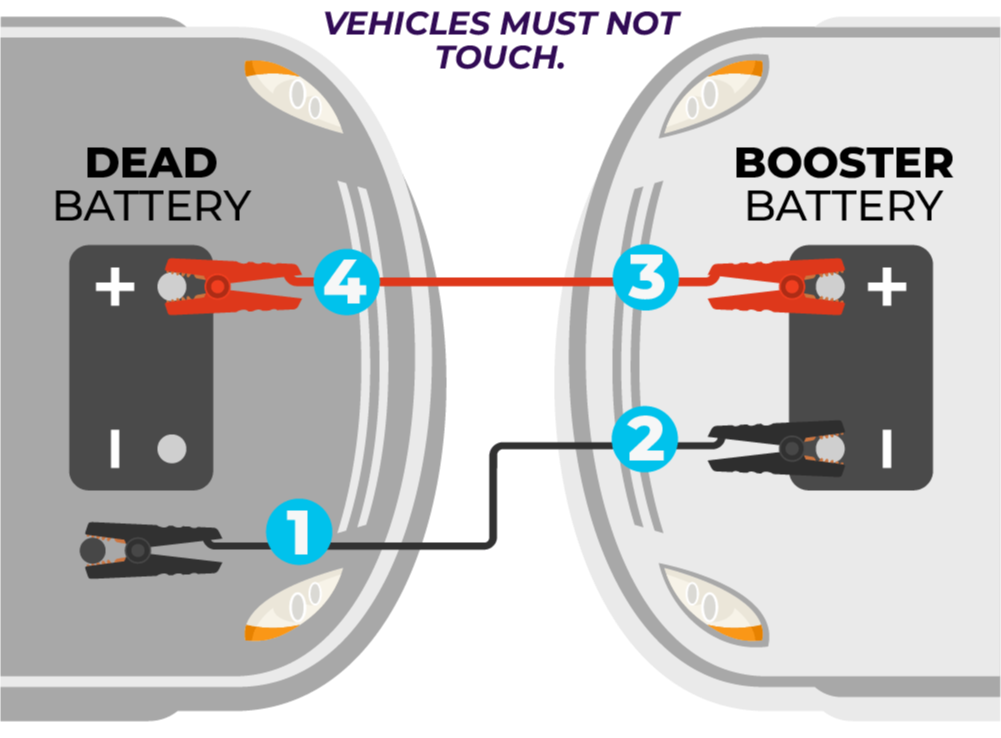
Continuous Rapid Beeping (4 Beeps/Second) = Danger Zone
What’s happening: Your red clamp is on the car battery’s negative terminal or black clamp on positive—causing a short circuit. Metal debris between clamps can trigger this even with correct placement. Voltage spikes here can melt wiring or ignite battery gases.
Do this NOW:
1. Yank both clamps off within 3 seconds—delay risks permanent damage
2. Inspect clamps for metal shavings (common in tool bags)
3. Reconnect red to positive (+), black to negative (–) or unpainted engine block
4. Hold clamps firmly on clean, bare metal—no paint or corrosion
Pro Tip: If beeping restarts immediately after reconnecting, warm the jump starter indoors for 15 minutes. Cold lithium batteries mimic reverse polarity below freezing.
Low Charge vs. Over-Temperature: Don’t Mix Up These Critical Alerts
Two Short Beeps Repeating = Battery Below 25% Charge
Why it matters: Your Peak has just enough juice for one small-engine start (under 3.0L). Attempting larger engines (like SUVs or trucks) drains cells dangerously low, causing permanent battery damage.
Fix it:
– Stop all jump attempts immediately
– Recharge using wall adapter (5–6 hours) or 12V car charger (3–4 hours)
– Never use car’s alternator to recharge—Peak’s manual explicitly forbids this
Three Short Beeps Repeating = Over-Temperature Emergency
Hidden cause: Multiple jump attempts or direct sun exposure pushed internal temps past 70°C (158°F). Lithium cells degrade 20% faster when overheated.
Cool-down protocol:
– Power off and move to shade—do not use freezer (condensation risks short circuits)
– Wait 25 minutes minimum (set phone timer)
– After cooldown, check for engine seizure if beeps return—four short beeps mean overload
Warning: Firmware v2.3 and older use two beeps for both low charge AND overheating. Check your bottom label—if firmware is ≤v2.3, verify temperature with your hand (hot to touch = overheating).
Four Short Beeps: When Your Engine Is Too Big for Your Jump Starter
Over-Current Alert = Cranking Current Exceeds Limits
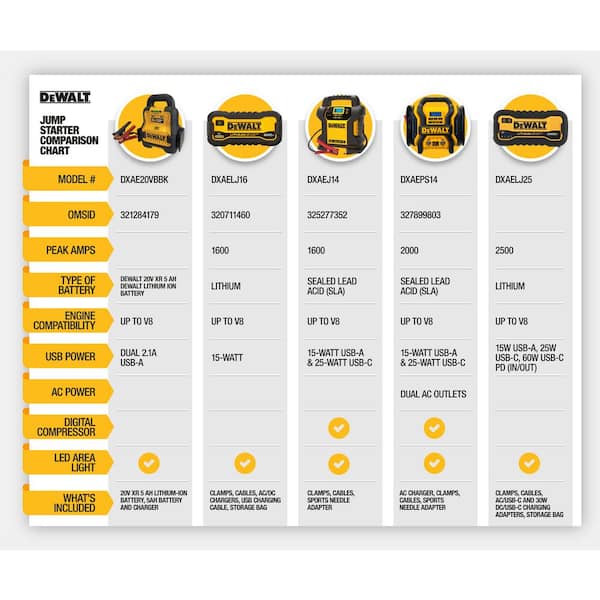
Peak model limits you must know:
– Peak 600: Max 400A (for 4-cylinder engines only)
– Peak 900: Max 600A (handles V6s up to 3.5L)
– Peak 1200: Max 750A (required for V8s or diesel)
If beeps persist after confirming correct model:
– Check for hydrolocked engine (water in cylinders)
– Test starter motor resistance—mechanical binding draws 2x normal current
– Never force-start—this triggers thermal runaway in lithium packs
Pro Tip: For stubborn engines, use the “pulse start” method: 2-second crank bursts with 30-second cool-downs between attempts.
Cold Weather Beeping: Why It Happens & The 15-Minute Fix
When temps drop below 0°C (32°F), your Peak may scream rapid beeps even with perfect clamp placement. Cold lithium batteries develop high internal resistance, causing voltage to sag below safe thresholds—tricking the system into detecting reverse polarity.
Do this correctly:
1. Bring jump starter indoors for 15 minutes (critical—less time won’t stabilize cells)
2. For Peak 900/1200 models: Press power button 5 seconds for pre-heat mode (LED turns orange)
3. Never use external heat sources—direct flame or hair dryers can melt casing
Danger: Attempting jumps below 5°C without warming risks false reverse polarity alerts that damage vehicle electronics.
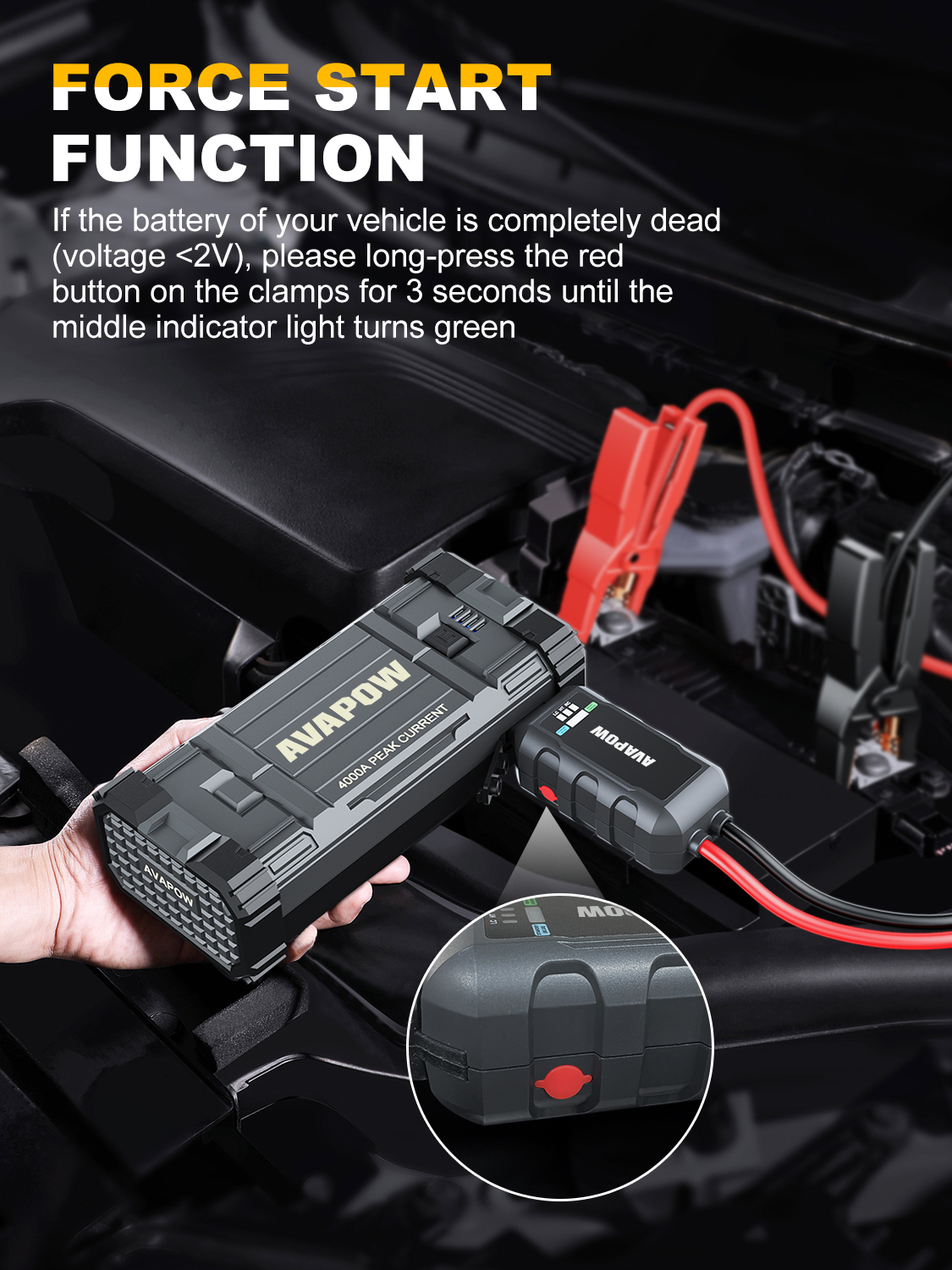
Force Start for Dead Car Batteries (Use Only in Emergencies)
Two Short Beeps + No Crank = Car Battery Below 5V
Peak’s safety logic blocks relay closure below 6V to prevent reverse current. But if your car battery reads under 5V on a multimeter, you need this override:
Emergency force start procedure:
1. Press power + flashlight buttons simultaneously for 3 seconds
2. Relay closes with loud click—expect sparks at clamps
3. Crank engine in strict 3-second bursts
4. Stop after 3 attempts to avoid jump starter damage
Warning: This bypasses all safety protocols. Only use when stranded—repeated force starts degrade Peak’s battery by 30% per incident.
Maintenance Beeps You Should Never Ignore
Your Peak emits a single beep every 24 hours when stored below 10% charge. This isn’t a nuisance—it prevents “deep discharge death” where lithium cells become unrechargeable. Most users miss this alert until their jump starter fails months later.
Prevent permanent damage:
– Recharge every 3 months (set calendar reminders)
– Disable alerts by pressing any button once after full charge
– Store at 50% charge in cool, dry place (not in hot glove compartments)
Key Insight: Units beeping during storage often have firmware ≤v2.3—upgrade to v2.4+ for smarter low-battery management.
Steady Tone Beeping: When to Call Peak Support Immediately
Continuous Unbroken Tone = Hardware Failure
Unlike patterned beeps, this means critical internal failure:
– Shorted MOSFETs (common in water-damaged units)
– Open circuit in lithium cell pack
– Corrupted firmware (CRC error)
Do NOT attempt repairs:
1. Unplug all cables and power off
2. Note serial number (sticker inside handle)
3. Contact Peak support within warranty window (1 year)
Red Flag: If beeping occurs without clamps attached, stop using the unit—internal short circuits can cause thermal runaway.
Quick Reference Card: Save This in Your Glove Box
| Beep Pattern | Critical Action | Time Limit |
|---|---|---|
| Rapid continuous | Check clamp polarity | 3 seconds max |
| Two short repeats | Recharge immediately | Stop all attempts |
| Three short repeats | Cool in shade | 25+ minutes wait |
| Four short repeats | Verify engine size | Do not force start |
| One long beep | Remove clamps safely | No delay needed |
| Steady tone | Contact Peak support | Discontinue use |
Final Takeaway: Peak jump starter beeping is your best diagnostic tool—not an annoyance. By reacting within seconds to the exact pattern, you’ll resolve 95% of issues roadside. Remember: continuous rapid beeps demand immediate clamp removal, cold weather requires 15-minute warming, and firmware v2.4+ saves you from misdiagnosing overheating. Keep this guide printed in your glove box, and you’ll never waste $100 on roadside assistance again. Your jump starter’s buzzer isn’t screaming at you—it’s saving your car.