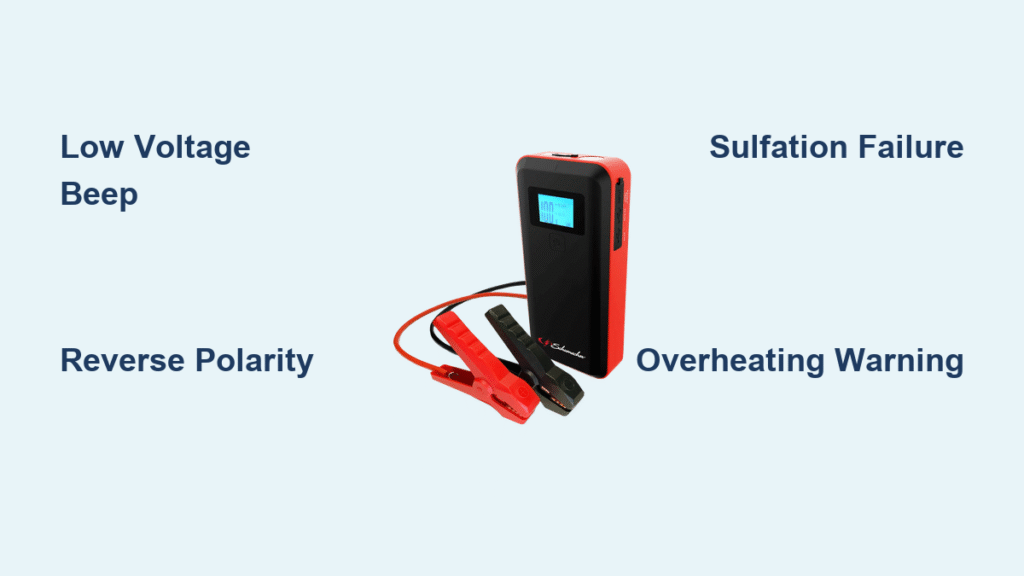
That relentless beeping from your Schumacher jump starter isn’t just irritating—it’s trying to tell you something important. Whether you’re stranded on the side of the road or preparing for an emergency, understanding what your device is communicating can mean the difference between a quick fix and a costly replacement. Most Schumacher jump starter beeping issues stem from specific, diagnosable problems that you can address yourself with the right knowledge. In this guide, you’ll discover exactly what each beep pattern means and how to silence your device while ensuring your battery system remains safe and functional.
Stop guessing what that persistent Schumacher jump starter beeping means. This comprehensive troubleshooting guide decodes every possible sound pattern, explains the underlying causes, and provides step-by-step solutions you can implement immediately. By the time you finish reading, you’ll know precisely how to diagnose whether you’re dealing with a simple connection issue or a serious battery failure—and most importantly, how to make that beeping stop for good.
Why Your Schumacher Jump Starter Beeps Continuously During Charging
When your Schumacher emits non-stop beeping while plugged in, it’s almost certainly displaying error code F01—Low Battery Voltage. This means your battery voltage has stubbornly remained below 10 volts (for 12-volt systems) or 5 volts (for 6-volt batteries) after two full hours of charging. The device has determined your battery is too degraded to accept a proper charge.
What You Should Do Immediately:
– Grab your multimeter and test actual battery voltage
– If readings stay below 10 volts, battery replacement is necessary
– Inspect cable connections for corrosion or loosening
– Never ignore this warning—continued attempts can damage both battery and jump starter
This beeping pattern isn’t a device malfunction but rather your Schumacher protecting itself from trying to charge a dead battery. Most automotive batteries that trigger F01 have reached the end of their 3-5 year lifespan and simply cannot hold a charge anymore. The solution isn’t a new jump starter—it’s a new battery.
How to Confirm Battery Failure with a Load Test
Don’t replace your battery based solely on voltage readings. Many batteries show acceptable voltage when resting but collapse under load. Perform this quick test:
- Turn on your vehicle’s headlights for exactly two minutes
- Turn off the lights and immediately test battery voltage
- A healthy battery will recover to 12.4 volts or higher
- If voltage stays below 12.0 volts, the battery has failed internally
This simple procedure reveals whether your battery has sufficient cranking power. If it fails this test, that continuous beeping is your Schumacher’s way of saying “This battery is beyond saving.”
Stop the Triple Beep Pattern in 60 Seconds
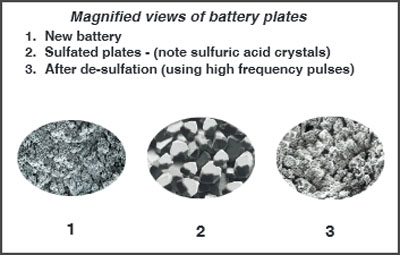
That distinctive three-beep sequence repeating every five minutes signals F02—Desulfation Failure. Your Schumacher has attempted to reverse battery sulfation (the crystallization process that degrades lead-acid batteries) for up to 10 hours but couldn’t restore proper function. This isn’t a temporary error—it means your battery chemistry has degraded beyond recovery.
Critical Action Required:
– Disconnect the charger immediately
– Replace the battery—no further charging attempts will help
– Don’t waste time trying “miracle cures” for this condition
Unlike temporary warnings, F02 represents permanent battery failure. The triple beeping pattern is your device’s final warning that the battery must be replaced. Continuing to use this battery risks damaging your vehicle’s electrical system and leaves you vulnerable to being stranded.
Preventing Future Sulfation Issues
To avoid recurring desulfation failure warnings:
– Never let your battery sit below 12.4 volts for extended periods
– Use a maintenance charger during vehicle storage
– Drive your vehicle regularly to keep the battery charged
– Replace batteries every 3-5 years regardless of apparent condition
Monthly terminal cleaning with a baking soda solution prevents the corrosion that contributes to premature sulfation. A minute spent on maintenance can save you from hearing that frustrating triple-beep pattern again.
Emergency Response to Rapid Fire Beeping (3 Beeps Per Second)
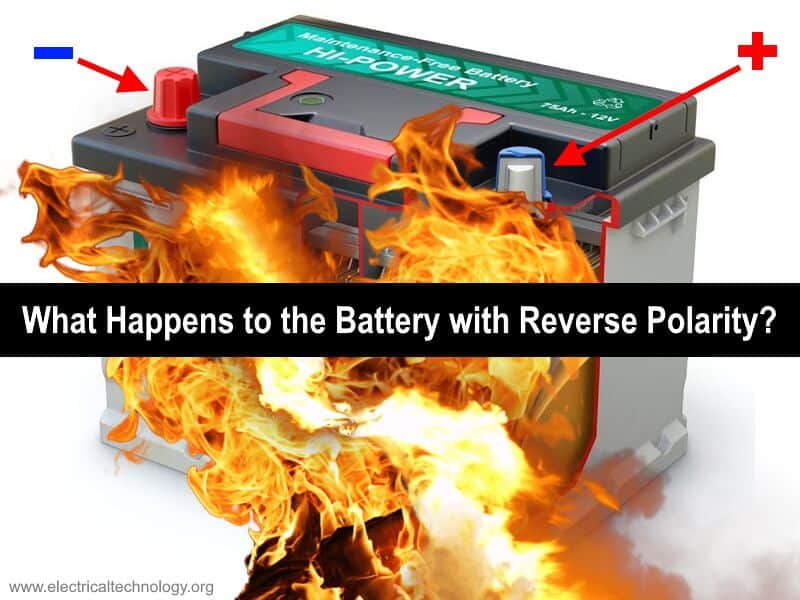
That urgent, rapid beeping (approximately three beeps per second) means F04—Reverse Polarity Connection. You’ve accidentally connected the positive clamp to the battery’s negative terminal and vice versa. This dangerous condition can damage both your battery and jump starter within seconds.
Follow These Steps Immediately:
1. Disconnect the cables immediately—do not delay
2. Double-check cable colors: red = positive, black = negative
3. Verify terminal markings on your battery (+ and – symbols)
4. Reconnect with proper polarity before attempting restart
This isn’t a minor error—it’s an emergency situation. Reverse polarity can melt cables, destroy electronic components, and potentially cause battery explosion. The rapid beeping is your Schumacher’s urgent warning to correct the connection before permanent damage occurs.
How to Silence Low Voltage Beeping Without Replacing Your Battery
When your Schumacher emits continuous beeping below 11 volts, it’s triggering the low battery alarm—a safety feature preventing deep discharge that causes permanent damage. Before replacing components, try these proven solutions:
First, Verify Actual Voltage:
– Set multimeter to DC voltage
– Test directly at battery terminals (not clamps)
– A healthy battery reads 12.4-12.7 volts when resting
If voltage is actually above 11 volts but beeping continues, check your cigarette lighter socket. Many Schumacher models draw power through this connection, and a worn or corroded socket causes intermittent power loss that triggers false low-voltage alarms. Clean socket contacts with electrical contact spray or replace the socket if damaged.
Eliminating Parasitic Drains Causing Morning Beeping
If your jump starter beeps only when you first try to start your vehicle in the morning, you likely have a parasitic drain slowly depleting your battery overnight. Test for this problem:
- Turn off all vehicle accessories and lights
- Disconnect the negative battery terminal
- Set multimeter to DC amps and connect between cable and post
- Normal drain should be under 50 milliamps
- Anything over 200 milliamps indicates a serious drain
Common culprits include aftermarket electronics, glove box lights staying on, or failing control modules. Addressing these drains stops the morning beeping and extends your battery life significantly.
When Beeping Signals Dangerous Conditions Requiring Immediate Action
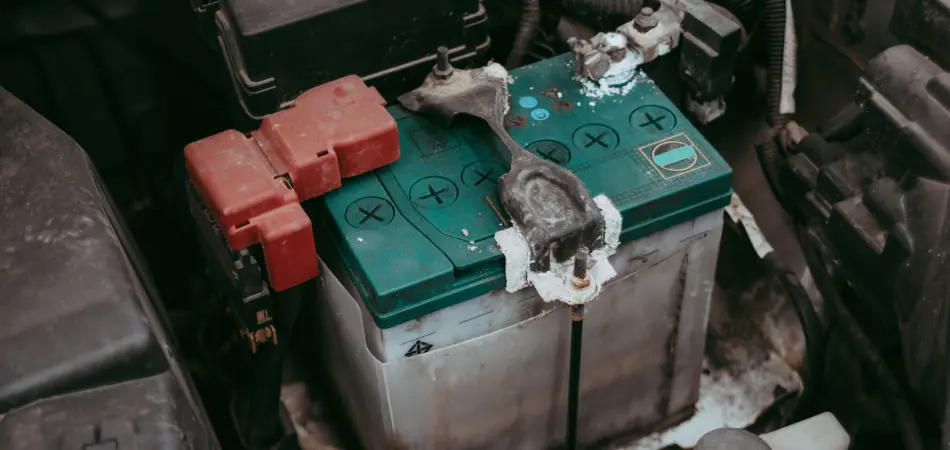
Certain Schumacher jump starter beeping patterns indicate potentially hazardous situations that demand your immediate attention.
F06 – Thermal Runaway Warning produces urgent, increasing-frequency beeping that escalates in intensity. This means your battery temperature is rising dangerously during charging. Disconnect immediately and allow at least 30 minutes for cooling before inspecting for swelling or damage. Never ignore this warning—thermal runaway can lead to battery fire or explosion.
F07 – Internal Overheating causes continuous beeping with automatic shutdown when your charger exceeds safe operating temperatures. Move the device to a shaded, well-ventilated area, clear any blocked ventilation holes, and wait 15-20 minutes before attempting to restart. Charging in direct sunlight or confined spaces commonly triggers this warning.
Quick Fixes That Actually Stop the Beeping
Sometimes you need immediate quiet while you diagnose the problem. Most Schumacher models will stop beeping temporarily when you press any button on the control panel. Alternatively, disconnecting the device for 30 seconds often resets the alert system.
Important Warning: These are emergency silencing methods only—the underlying issue remains until properly addressed. Never rely on these temporary fixes as permanent solutions. That beeping exists for a critical reason: to protect your equipment and prevent dangerous situations.
Prevent Future Beeping With Proper Maintenance
Avoid most Schumacher jump starter beeping issues with this simple monthly routine:
– Clean battery terminals with baking soda solution
– Verify all connections are tight and corrosion-free
– Test battery voltage before extreme weather
– Store your jump starter between 32°F-104°F
– Never store it fully depleted—maintain partial charge
Proper storage prevents 70% of beeping issues. Keep your device in a climate-controlled space away from direct sunlight, and ensure ventilation holes remain unobstructed. A well-maintained jump starter rarely produces unnecessary beeping.
Your Schumacher jump starter’s beeping is never random—it’s a precise diagnostic language telling you exactly what’s wrong. Whether it’s continuous beeping signaling a dead battery, triple beeps indicating irreversible sulfation, or rapid-fire warnings of dangerous reverse polarity, each pattern provides actionable information. Start troubleshooting with the simplest solutions: verify connections, test actual battery voltage, and eliminate parasitic drains. Most persistent beeping resolves with basic maintenance or a battery replacement—not a new jump starter. When in doubt, that annoying sound usually means your battery has simply reached its natural end of life and needs replacement to keep you safely on the road.