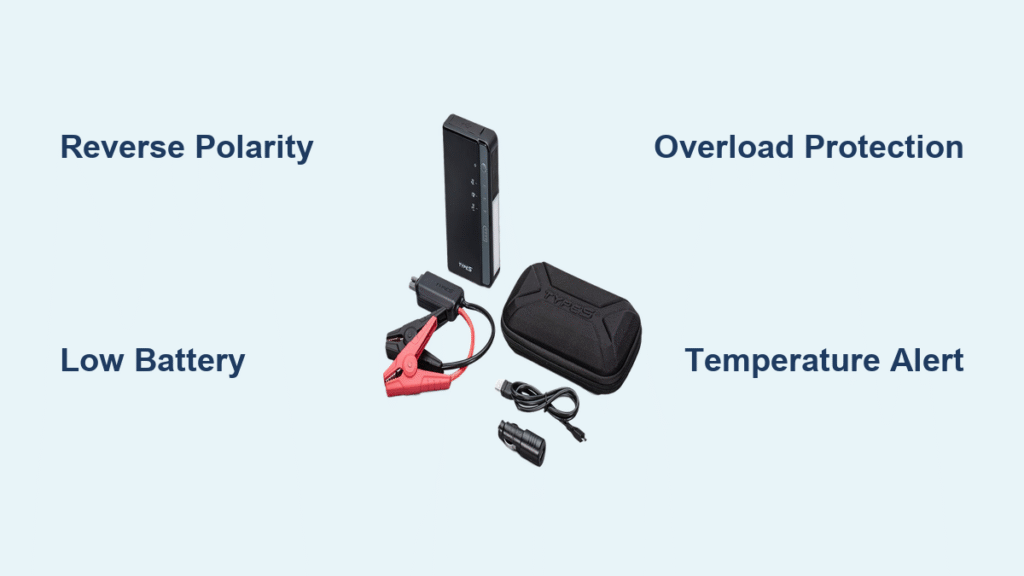
Your Type S jump starter suddenly starts beeping and won’t stop, leaving you stranded with a dead vehicle battery. Whether you’re hearing rapid-fire beeps while trying to jump your car or mysterious patterns after a successful start, these sounds aren’t random—they’re your device’s critical communication system. This guide decodes every beep pattern, shows you exactly what to check, and provides immediate solutions to get you back on the road in minutes. Understanding your Type S jump starter beeping patterns could mean the difference between a quick fix and a costly tow.
Most drivers panic when their jump starter starts beeping unexpectedly, but these alerts exist for your safety and device protection. The Type S jump starter uses sophisticated audio signals to warn about reverse polarity, temperature extremes, battery issues, and incompatible vehicle systems. Ignoring these beeps could damage your vehicle’s electrical system or create dangerous situations. By learning to interpret these signals, you’ll resolve 90% of issues without professional help and extend your jump starter’s lifespan significantly.
Decode Beeping Patterns Instantly

Continuous Beeping Meanings
When your Type S jump starter emits continuous beeping, it’s signaling an urgent condition requiring immediate attention. Rapid beeps occurring every half-second indicate reverse polarity—your red clamp is connected to the negative terminal and black to positive. This dangerous situation can cause sparks, component damage, or even battery explosion. Switch clamp positions immediately while maintaining a firm grip to avoid arcing.
A steady single-tone beep means your jump starter’s internal battery has reached unsafe temperature levels, either below -4°F or above 140°F. In freezing conditions, move the unit to your vehicle’s cabin for 10-15 minutes to warm up. In extreme heat, place it in shade and allow 20 minutes to cool before attempting another jump. Intermittent beeping every two seconds signals your internal battery has dropped below 25% charge—plug it in for at least 3 hours before your next use to prevent damage.
Sequential Beep Codes
Your jump starter communicates specific vehicle compatibility issues through sequential beeping patterns. Three short beeps followed by a pause indicate successful jump start completion—you must disconnect the black clamp first within 30 seconds to prevent damage. Two long beeps followed by three short ones signal a short circuit in your vehicle’s electrical system, requiring professional diagnosis before further jump attempts.
Five rapid beeps in succession means your vehicle likely has a 24V system or start-stop technology incompatible with standard jump starters. Attempting to force a jump could destroy your vehicle’s sensitive electronics. Check your owner’s manual for proper jump starting procedures specific to your vehicle type before proceeding.
Pitch Variations Explained
The tone of your Type S jump starter beeping provides crucial diagnostic information. A high-pitched beep indicates your vehicle is drawing more current than the unit can safely provide—typically when attempting to start large diesel engines or vehicles with severely discharged batteries. Release the jump starter button immediately and allow a 3-minute rest period before trying again.
A low-pitched beep means your car battery has dropped below 8V, often signaling it’s beyond jump starting capability. Consider battery replacement instead of repeated jump attempts. Alternating high and low pitch beeps indicate your jump starter’s internal battery is failing and needs replacement—don’t wait for complete failure as this could leave you stranded.
Quick Visual Diagnostic Guide
Red LED + Beeping
When red LED accompanies beeping, treat it as a critical warning. Solid red light with continuous beeping means reverse polarity—immediately disconnect both clamps before reconnecting correctly. Flashing red with constant beeping indicates an internal battery fault requiring warranty service—do not attempt further use as this could create fire hazards.
Red LED blinking three times with each beep signals output overload from excessive cranking attempts. Rest your jump starter for 2-3 minutes between each 6-second cranking attempt to prevent thermal damage. Never exceed three consecutive attempts without extended cooling periods.
Yellow LED Signals
Yellow LED patterns combined with beeping indicate operational status rather than emergencies. Solid yellow light with two beeps means the unit is pre-heating in cold weather—wait for the light to turn solid green before starting your vehicle. This process takes 30-90 seconds depending on temperature.
Flashing yellow with intermittent beeping shows normal charging operation—no action needed. Yellow blinking three times with a single beep indicates battery calibration is required. Perform a full discharge/recharge cycle monthly to maintain accuracy. Never ignore this signal as inaccurate charge readings could leave you stranded.
Fix Beeping During Connection
Immediate Checks
When beeping starts immediately upon connecting clamps, follow these steps: First, verify polarity—red clamp must connect to positive (+) battery terminal, black to negative (-) or unpainted metal surface. Check for corrosion on battery terminals using a wire brush if connections seem poor. Test your vehicle battery voltage with a multimeter—if below 2V, the battery likely needs replacement rather than jumping.
Loose connections often trigger beeping—ensure clamps bite through paint or corrosion for metal-to-metal contact. Wiggle each clamp to confirm secure attachment before attempting to start. If beeping persists after these checks, your vehicle may have electrical system issues requiring professional diagnosis.
Quick Solutions
For reverse polarity beeping, swap clamp positions immediately while keeping clamps away from each other to prevent arcing. If corrosion causes connection issues, clean terminals thoroughly and apply dielectric grease after jumping to prevent future problems. When low voltage triggers beeping, consider whether jump starting is viable—batteries below 2V often cannot accept a charge and require replacement.
Tighten loose clamps firmly and wiggle connections to ensure solid contact before attempting another start. If beeping continues despite correct connections, your vehicle’s electrical system likely has underlying issues that need professional attention before further jump attempts.
Stop Beeping During Jump Start
Mid-Start Troubleshooting
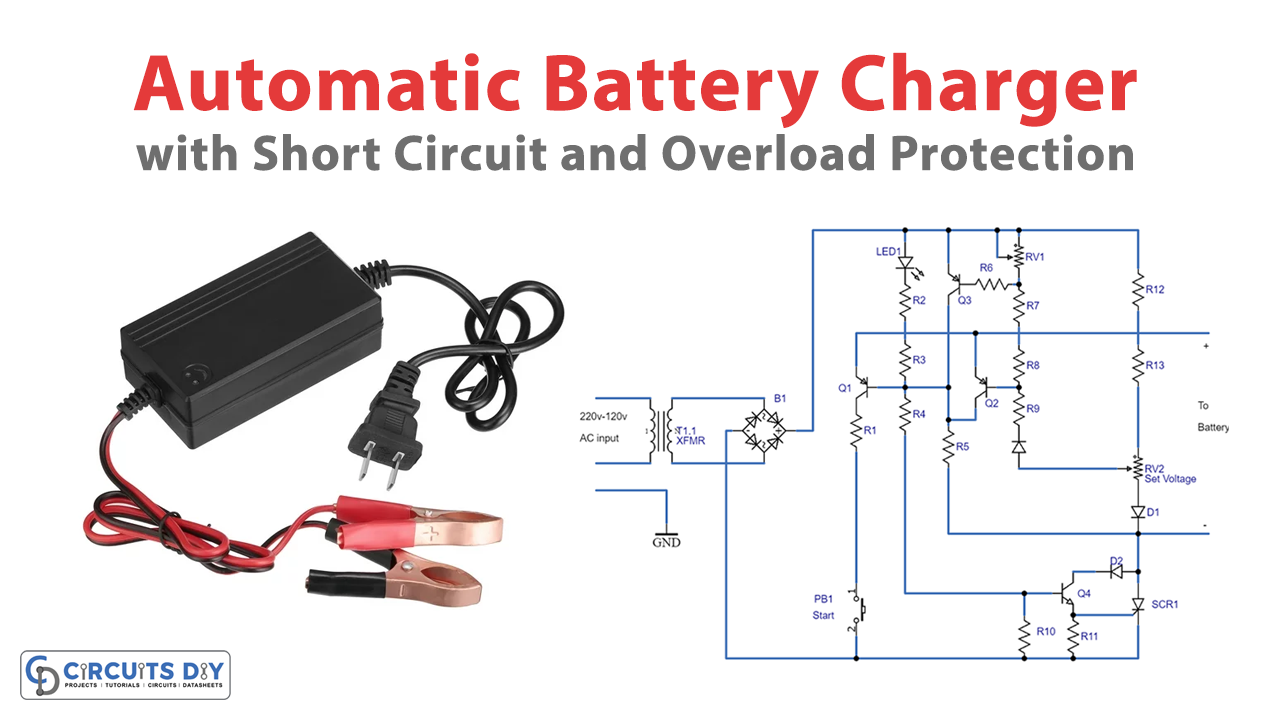
Beeping that begins when cranking your engine typically indicates connection issues or overload conditions. Check clamp security—engine vibration often loosens connections during cranking. Watch for red LED indicators signaling overload that requires immediate cessation of attempts. If ambient temperature is below -4°F, move to a warmer location as cold severely reduces jump starter performance.
Multiple failed start attempts often trigger beeping due to vehicle electrical problems rather than jump starter issues. After three unsuccessful attempts, allow the jump starter to rest for 5 minutes while checking all connections. Persistent beeping at this stage suggests your vehicle may have starter motor problems or excessive parasitic drain requiring professional diagnosis.
Prevent Overload
To avoid overload beeping during jump starts, always rest 2-3 minutes between each 6-second cranking attempt. This cooling period prevents thermal damage to your jump starter’s internal components. Verify connections remain tight during cranking by placing your hand lightly on each clamp—vibration often loosens them.
Monitor temperature indicators—hot units need extended cooling time before additional attempts. Confirm vehicle compatibility as some modern vehicles exceed the Type S’s 400A peak capacity, particularly diesel engines or vehicles with start-stop technology. When in doubt, consult your vehicle manual for proper jump starting procedures.
Post-Start Beeping Solutions
Why It Keeps Beeping After Success
Continued beeping after your vehicle starts typically means clamps remain connected beyond the 30-second safety window. Disconnect the black clamp first, then the red one immediately. Immediate re-beeping suggests vehicle charging system problems—check alternator function if battery drains quickly after successful jumps.
Parasitic drain from accessories like phone chargers or dash cams can trigger post-start beeping. Turn off all accessories during jump starting to prevent this issue. If beeping persists after disconnecting, test your vehicle’s charging system as a failing alternator could create dangerous voltage fluctuations.
Prevent Future Beeping Issues
Monthly Maintenance
Prevent most Type S jump starter beeping issues with simple monthly maintenance. Perform the self-test ritual—first use each month triggers a reminder beep confirming proper function. Ensure charge level stays above 75% before storage to prevent deep discharge damage. Inspect clamps and cables for corrosion, fraying, or damage that could cause connection issues.
Store your jump starter in a cool, dry place between 32-80°F—extreme temperatures accelerate battery degradation. Track usage cycles as performance naturally declines after 500 jump attempts. When you notice gradual performance decline, schedule replacement before you get stranded with a failing unit.
Emergency Shutdown Procedures
Recognize critical alert patterns requiring immediate action. Continuous high-pitched beeping signals fire risk—disconnect all cables immediately and move away from the unit. Specific rapid patterns indicate explosion risk—move at least 15 feet away and call emergency services. For system failure beeping that won’t stop, perform a manual reset: disconnect all cables, hold power button for 10 seconds, wait 30 seconds, then reconnect.
Never ignore continuous beeping patterns—they indicate serious safety hazards rather than minor operational issues. If reset procedures don’t clear persistent beeping, contact warranty service immediately rather than risking further use.
Key takeaway: Your Type S jump starter beeping isn’t malfunctioning—it’s communicating critical information through a sophisticated alert system. By matching patterns to this guide and taking immediate action, you’ll resolve most issues roadside without professional help. Keep this reference in your glove compartment and perform monthly maintenance checks to ensure your jump starter remains reliable when you need it most. Remember: when your jump starter beeps, it’s trying to protect you—listen to what it’s telling you.